
Purpose driven. John-Oliver BreckoffContact

Evidence

The Science My Work Is Built On

Both the foundation of the process and the concepts, frameworks and methods used within it rest on scientific exploration and thought. I’m continuously reading research and the literature based on it and contrast it against my practice. It keeps informing my thinking and where applicable I integrate it into my work.

While science is a fantastic lens, it is not all of it either. It cannot replace direct experience, judgement, or fully capture the particularities of the situation of the person sitting across from me.
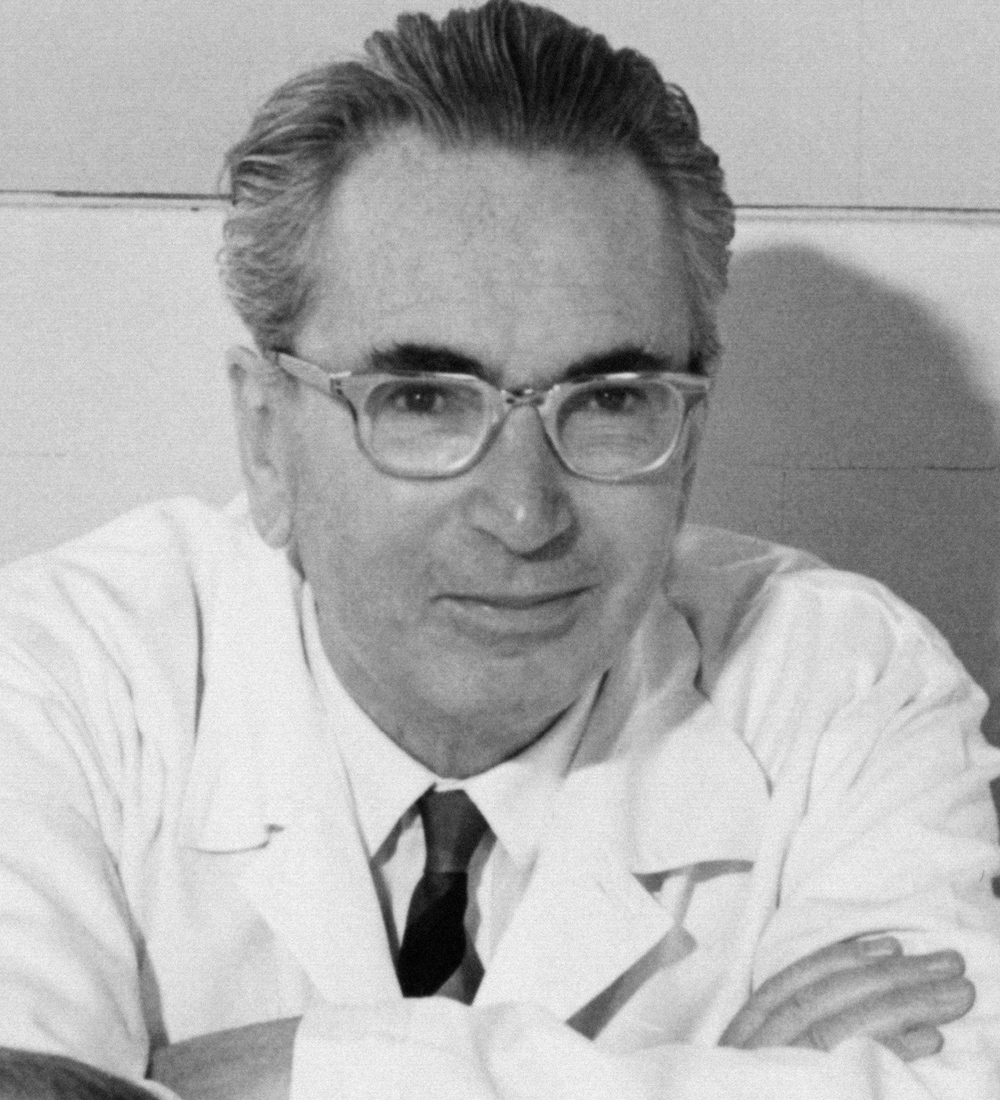
Viktor Frankl
Viktor FranklPhoto: Franz Vesely · CC BY-SA 3.0 DE

Why Vision & Purpose Matter
And Should Be Combined

Beginning with Vision and Purpose is not a matter of belief. Because it motivates, it is an excellent starting point for personal change.

Richard Boyatzis’s research on intentional change, including brain imaging studies of coaching conversations, suggests that change takes hold when it starts from a person’s own picture of the life they want, and loses its grip when it starts from their shortcomings.

Sheldon and Elliot’s research on self-concordance shows why: goals rooted in a person’s own values are pursued with more sustained effort, and they satisfy in a way that borrowed goals do not.

Already in 1946, Viktor Frankl placed the question of meaning at the centre with his groundbreaking book “Man’s Search for Meaning”*. What he described has since been studied at scale. In Carol Ryff’s model of psychological well-being, purpose in life stands as one of six core dimensions, and across large long-term studies a sense of purpose goes together with better health, slower cognitive decline and a longer life.

Purpose and Vision are not the same thing. Purpose drives the movement, a Vision aims it. Boyatzis argues that neither works alone. What drives change is an image of the desired future combined with a grounded sense of who one already is.

* Originally published in German as Ein Psychologe erlebt das Konzentrationslager, 1946.

PerformanceTimestarting levelchaosnew level
The change curve, after Virginia SatirPerformance drops quickly once the old way stops working. What takes time is the stretch that follows, low and unpredictable from day to day. The way out appears at its end, and with practice the climb from there can be quick.

Why Managing
The Transition Itself Is Key

Most people reach a point in a transition where it feels worse than before they began.

That shape turns up in model after model of how change runs. Virginia Satir, working from what she saw in family therapy, put the lowest point in the chaos stage, just before the idea that leads out of it, and Kurt Lewin’s older observation sits underneath it: a settled pattern is held in place by opposing forces, and it shifts only once that balance is unsettled. Knowing this in advance changes how it is experienced and provides tools to navigate through.

Herminia Ibarra seated in front of bookshelves
Herminia IbarraPhoto: Rob Percy · Think:Act

Kegan and Lahey describe a second reason, and it has nothing to do with willpower. Alongside the change someone genuinely wants, they often hold a second, hidden commitment that protects them from something, and it quietly works against the first (they call it an “immunity to change”). Naming it is only the first step. What loosens its grip is testing, in small and safe experiments, the assumption that keeps it in place.

Herminia Ibarra’s research on career transitions explains why this cannot be settled in one decision. People do not work out who they want to become and then act on it. They find out by doing, through small experiments and trial moves, and identity follows action rather than preceding it.

Concepts And Methods I Work With

When someone knows what they want and is still struggling, I work on more than willpower.

Together, we work on four inner resources that make action easier: motivation, beliefs, habits and emotions. The aim is to build change that does not depend on constantly having to rely on willpower alone. While Roy Baumeister’s idea of willpower as a fuel that even brief effort drains has not held up in large replications, the experience behind it stands: pushing through what we resist wears us down, and goals that are truly our own leave less to resist.

Intention & Motivation

Peter Gollwitzer’s implementation intentions turn an intention into an if-then decision taken in advance, so that nothing has to be decided again in the difficult moment, and Gabriele Oettingen’s mental contrasting supplies the step before it, the desired outcome held directly against the obstacle actually in the way.Richard Ryan and Edward Deci’s self-determination theory explains what keeps motivation alive: a sense of acting by one’s own choice, of being capable, and of being connected to others. A transition tests all three.

Habits & Identity

Popular books on habits, such as James Clear’s “Atomic Habits” and Charles Duhigg’s “The Power of Habit”, draw on research like Wendy Wood’s. Her work tells me where to put the effort: into the structure around a behaviour rather than the resolve behind it.Chip and Dan Heath put the same thing in a picture: our rational side is a rider on an emotional elephant, and since the rider cannot hold the elephant back for long, it pays to shape the path.Clear’s identity-based habits start not with the result someone wants but with the person they want to become. I use them that way: acting as that person in small, repeated steps, so that each step becomes evidence and the belief follows.

Mindset & Beliefs

Where the obstacle is someone’s picture of themselves, Carol Dweck’s growth mindset makes ability negotiable again, and Albert Bandura’s work on self-efficacy tells me what to build: not confidence in general, but confidence in this, assembled from small pieces of completed evidence.
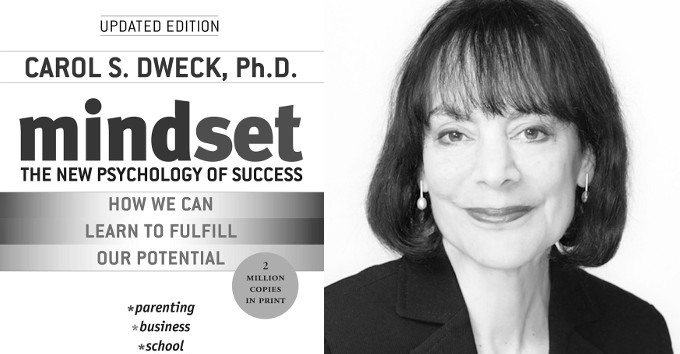
Carol Dweck and her book Mindset: The New Psychology of Success
Carol DweckMindset: The New Psychology of Success

Emotion & Self-compassion

Where fear appears, and it appears at every genuine threshold, I use James Gross’s research on emotion regulation to change how a situation is read before it is felt, Lisa Feldman Barrett’s research on naming feelings precisely, and Kristin Neff’s work on self-compassion, because what gets a person back on their feet after a setback is not sharper self-criticism.

A fuller account of the disciplines, thinkers behind my approach is set out under Knowledge Fields ↗

The Science My Work Is Built On

Why Vision & Purpose Matter And Should Be Combined

Beginning with Vision and Purpose is not a matter of belief. Because it motivates, it is an excellent starting point for personal change.

research on intentional change, including of coaching conversations, suggests that change takes hold when it starts from a person’s own picture of the life they want, and loses its grip when it starts from their shortcomings.

’s research on self-concordance shows why: goals rooted in a person’s own values are pursued with more sustained effort, and they satisfy in a way that borrowed goals do not.

Viktor Frankl
Viktor Frankl
Photo: Franz Vesely, CC BY-SA 3.0 DE

Already in 1946, placed the question of meaning at the centre with his groundbreaking book “Man’s Search for Meaning”*. What he described has since been studied at scale. In ’s model of psychological well-being, purpose in life stands as one of six core dimensions, and across a sense of purpose goes together with better health, slower cognitive decline and a longer life.

Purpose and Vision are not the same thing. Purpose drives the movement, a Vision aims it. argues that neither works alone. What drives change is an image of the desired future combined with a grounded sense of who one already is.

* Originally published in German as Ein Psychologe erlebt das Konzentrationslager, 1946.

Why Managing The Transition Itself Is Key

Most people reach a point in a transition where it feels worse than before they began. That shape turns up in model after model of how change runs.

, working from what she saw in family therapy, put the lowest point in the chaos stage, just before the idea that leads out of it, and ’s older observation sits underneath it: a settled pattern is held in place by opposing forces, and it shifts only once that balance is unsettled. Knowing this in advance changes how it is experienced and provides tools to navigate through.

PerformanceTimestarting levelchaosnew level
The change curve, after Virginia Satir
Performance drops quickly once the old way stops working. What takes time is the stretch that follows, low and unpredictable from day to day. The way out appears at its end, and with practice the climb from there can be quick.

describe a second reason, and it has nothing to do with willpower. Alongside the change someone genuinely wants, they often hold a second, hidden commitment that protects them from something, and it quietly works against the first (they call it an “immunity to change”). Naming it is only the first step. What loosens its grip is testing, in small and safe experiments, the assumption that keeps it in place.

Herminia Ibarra seated in front of bookshelves
Herminia Ibarra
Photo: Rob Percy · Think:Act

’s research on career transitions explains why this cannot be settled in one decision. People do not work out who they want to become and then act on it. They find out by doing, through small experiments and trial moves, and identity follows action rather than preceding it.

Concepts And Methods I Work With To Support The Transition

When someone knows what they want and is still struggling, I work on more than willpower.

Together, we work on four inner resources that make action easier: motivation, beliefs, habits and emotions. The aim is to build change that does not depend on constantly having to rely on . While ’s idea of willpower as a fuel that even brief effort drains has not held up in large , the stands: pushing through what we resist wears us down, and goals that are truly our own leave less to resist.

’s implementation intentions turn an intention into an if-then decision taken in advance, so that nothing has to be decided again in the difficult moment, and ’s mental contrasting supplies the step before it, the desired outcome held directly against the obstacle actually in the way.

’s self-determination theory explains what keeps motivation alive: a sense of acting by one’s own choice, of being capable, and of being connected to others. A transition tests all three.

Popular books on habits, such as ’s “Atomic Habits” and ’s “The Power of Habit”, draw on research like ’s. Her work tells me where to put the effort: into the structure around a behaviour rather than the resolve behind it.

put the same thing in a picture: our rational side is a rider on an emotional elephant, and since the rider cannot hold the elephant back for long, it pays to shape the path.

Clear’s identity-based habits start not with the result someone wants but with the person they want to become. I use them that way: acting as that person in small, repeated steps, so that each step becomes evidence and the belief follows.

Carol Dweck and her book Mindset: The New Psychology of Success
Carol Dweck
Mindset: The New Psychology of Success

Where the obstacle is someone’s picture of themselves, ’s growth mindset makes ability negotiable again, and ’s work on self-efficacy tells me what to build: not confidence in general, but confidence in this, assembled from small pieces of completed evidence.

Where fear appears, and it appears at every genuine threshold, I use ’s research on emotion regulation to change how a situation is read before it is felt, ’s research on naming feelings precisely, and ’s work on self-compassion, because what gets a person back on their feet after a setback is not sharper self-criticism.

A fuller account of the disciplines, thinkers behind my approach is set out under Knowledge Fields.